
How to Create a 5-Star Personalized Customer Journey

In today’s ecommerce landscape, customers don’t compare brands only on price; they compare experiences.
The brands that win are the ones that feel relevant, helpful, and personal at every interaction. A 5-star personalized customer journey isn’t about flashy design or aggressive offers. It’s about showing the right content, to the right customer, at the right moment—while building trust through authentic customer feedback. Let’s break down how personalization works across the customer journey and how ecommerce brands can implement it effectively.
What Is the Customer Journey?
The customer journey is the complete experience a shopper has with your brand, from the first interaction to post-purchase engagement.
It typically includes:
- Discovery : When customers first find your brand or product
- Consideration : When they compare options, read reviews, and evaluate value
- Decision : When they decide to purchase (or abandon)
- Post-purchase : When they use the product, leave feedback, and decide whether to return
Each stage comes with different expectations, questions, and emotions.
A 5-star journey ensures customers feel guided, confident, and understood at every step.
Why Personalization Matters in the Customer Journey
How to Serve Up Personalized Content
Personalized content doesn’t need to be complex. Small, thoughtful adjustments across your website and PDPs can dramatically improve the customer experience.
Below are proven ways to do it effectively.
1. Branch-Specific Banners
Not all customers have the same needs. If your business operates across regions, locations, or customer groups, branch-specific banners can instantly improve relevance.
For example:
- Highlight store-specific offers
- Promote locally available products
- Display region-based service information
This helps customers feel that the brand understands their context, not just their clicks.
2. Weather-Specific Banners
Weather directly influences buying behavior—especially in ecommerce.
Smart personalization uses real-time conditions to adjust messaging:
- Cooling appliances during heatwaves
- Home comfort or heating products in colder regions
- Seasonal accessories aligned with the local climate
This approach doesn’t feel like marketing—it feels helpful.
3. Personalization for Special Customer Segments
Recognizing specific customer communities strengthens emotional connection.
For example:
- Loyalty members
- First-time buyers
- Returning customers
- Community-based segments
Personalized messaging for these groups builds appreciation and trust. Customers are more likely to engage with brands that acknowledge who they are, not just what they buy.
4. Testing Web Banners for Better Engagement
Personalization should never be static.
A/B testing different banner styles, placements, and messages helps brands:
- Understand what resonates
- Reduce bounce rates
- Improve click-through rates
The goal isn’t to overwhelm users—but to simplify choices and guide attention.
Testing allows personalization to evolve based on real customer behavior, not assumptions.
Product Recommendations Help Customers Find What They Love
One of the most effective forms of personalization is product recommendation.
When done right, recommendations:
- Reduce browsing time
- Increase average order value
- Help customers discover relevant products faster
Instead of showing “popular products” to everyone, smarter recommendations consider:
- Browsing history
- Purchase behavior
- Similar customer preferences
- Review sentiment
This is where customer reviews play a powerful role.
By understanding why customers like certain products—quality, durability, fit, or value-brands can recommend products that genuinely match shopper expectations.
The Role of Reviews in a Personalized Customer Journey
Reviews are more than social proof—they are personalization fuel.
They help brands:
- Identify what matters most to customers
- Highlight relevant feedback on PDPs
- Answer common objections proactively
For example:
- A value-focused shopper sees reviews highlighting affordability
- A quality-focused shopper sees feedback on durability
- A first-time buyer sees reassurance from verified customers
When reviews are strategically surfaced, they guide decisions naturally—without aggressive selling.
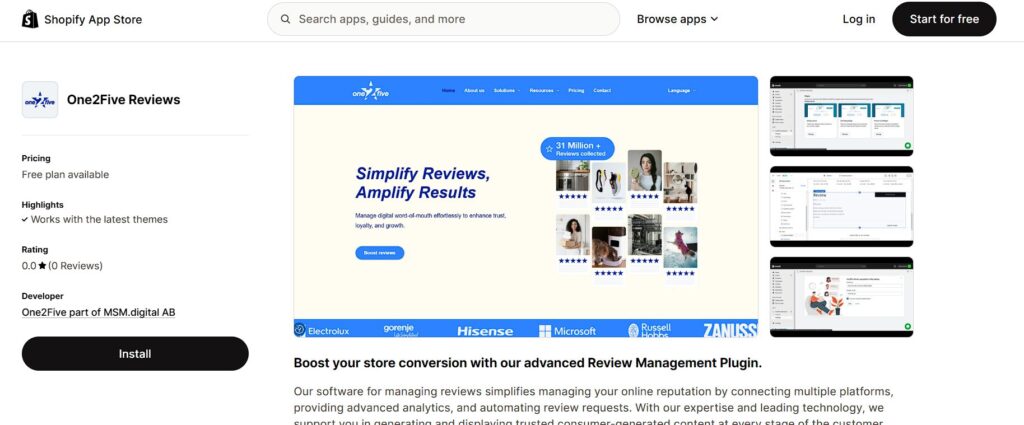
Platforms like One2Five help brands transform raw customer feedback into conversion-ready insights across the journey.
The Impact of Personalization on the Customer Journey
When personalization is applied thoughtfully, the results compound across the entire journey:
- Higher PDP engagement – Customers spend more time where content feels relevant
Faster decision-making – Reduced friction and fewer unanswered questions
Stronger trust – Authentic reviews and transparent communication
Improved retention – Customers feel understood, not sold to
Personalization isn’t about creating a perfect journey—it’s about creating a helpful one.
Final Thoughts: Personalization Is a Trust Strategy
A 5-star personalized customer journey isn’t built overnight. It’s built by continuously listening to customers, learning from their feedback, and improving how products are presented.
When brands combine personalization with authentic reviews, real customer sentiment, and smart PDP optimization, they don’t just increase conversions—they build long-term relationships.
And that’s what truly earns five stars.
About One2Five
One2Five helps ecommerce brands turn product reviews into powerful trust and conversion assets–so every customer journey feels more confident, more personal, and more effective.